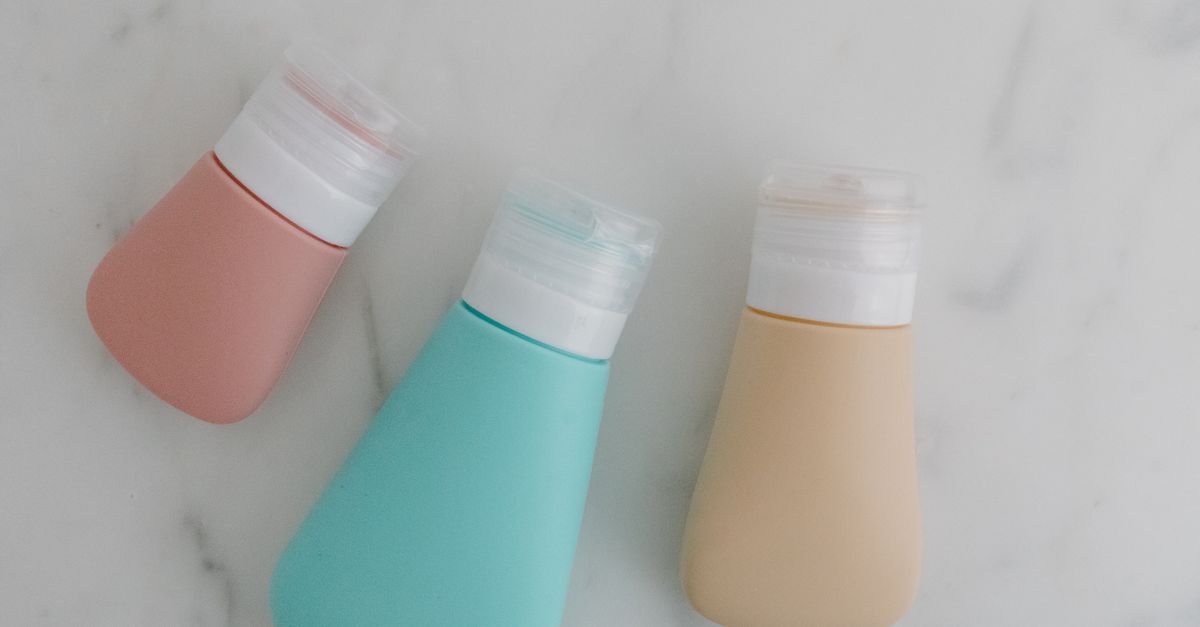
Bristol Airport's liquid rules in 2026: the old 100ml-per-container limit is gone, and you can carry liquids, gels, pastes and aerosols up to 2 litres per container in your hand luggage, with no clear plastic bag required. This has been the rule since 17 July 2025. Bristol Airport's own security pages confirm this is still the rule as of October 2026, running alongside next-generation CT (3D) scanners that let officers inspect containers in detail without pulling them out of your bag. This guide covers what counts as a liquid, how Bristol compares with other airports, and what to watch for on connections.
Bristol Airport's current liquid rules at a glance
- Maximum container size: 2 litres (up from the old 100ml cap)
- Clear plastic bag: not required, liquids can stay inside your normal hand baggage
- What counts as a liquid: gels, pastes, lotions, liquid-solid mixtures (including some foods) and pressurised containers, as well as drinks and toiletries
- Laptops and electronics: can also stay in your bag at the checkpoint, the same change that removed the old "laptops out" step
- Metal drinks bottles: must be empty before going through the scanner
- In effect since: 17 July 2025, confirmed unchanged on Bristol Airport's own security page as of October 2026
Why the rule changed
Bristol installed CT (computed tomography) scanners, the same 3D X-ray technology used in hospital scans, which can see inside a liquid container in detail rather than relying on the older, cruder scanners that could only flag a sealed bottle as a risk. That's what let the UK Department for Transport approve airports, Bristol among them, to drop the 2006-era 100ml rule once their scanners were certified.
Where Bristol stands versus other UK airports
Bristol's CT rollout puts it alongside a growing group of UK airports that have already dropped the standard 100ml rule, including Heathrow, Gatwick, Birmingham and Edinburgh.
| Airport | 2026 liquid rule |
|---|---|
| Bristol, Heathrow, Gatwick, Birmingham, Edinburgh | Up to 2 litres per container, no clear bag needed |
| Airports still mid-rollout | 100ml per container, in one clear plastic bag |
The change means passengers no longer need to decant liquids into small travel bottles or bag them separately for the scanner, which speeds up the queue at busy times, particularly during Bristol's early-morning peak (see our security timing guide).
What this means for packing at Bristol
- Liquids, gels, pastes and aerosols can be up to 2 litres per container.
- You do not need to separate them into a clear plastic bag for Bristol's own checkpoint.
- Very large containers (well beyond 2 litres) still are not permitted in hand luggage.
- Duty-free liquids bought airside after security are sealed in a tamper-evident bag with the receipt, a separate allowance for a connection or the flight home; see our duty-free guide.
Why this matters for connections and your return flight
If you are connecting through, or arriving into, an airport that has not yet rolled out CT scanners, that airport's own rule applies to that leg, even if Bristol let you through with more than 100ml. This catches out travellers most often on the way home: Bristol's relaxed rule only covers what you carry through Bristol's own checkpoint, not the airport you fly back from. Pack for the strictest limit on your itinerary, and check the return-leg airport's own security page if you are unsure, since not every airport worldwide has moved to the relaxed rule.
Check before you fly
Airport security equipment is rolled out airport by airport, and requirements can still be adjusted with little notice. Before you travel, check Bristol Airport's own official security page for the current position, since a rule that applied in 2026 may have changed by the time you fly.
Practical tips
- You can now travel with full-size toiletries through Bristol security rather than buying travel minis.
- Medicines and essential liquids are generally allowed in larger quantities with documentation; check the specific rules for your situation.
- If you are travelling with a baby, see the family facilities guide for how baby milk and food are handled at the checkpoint.
- Even with the relaxed limit, allow the usual buffer for security timing at the busy early-morning peak.