If fog or snow closes the runway while your flight is inbound, the pilot diverts to a nearby airport, most often Cardiff or Birmingham. Your airline still owes a duty of care: meals, accommodation if needed, and transport to your original destination. This guide explains why Bristol is prone to diversions and how to get home. Checked August 2026.
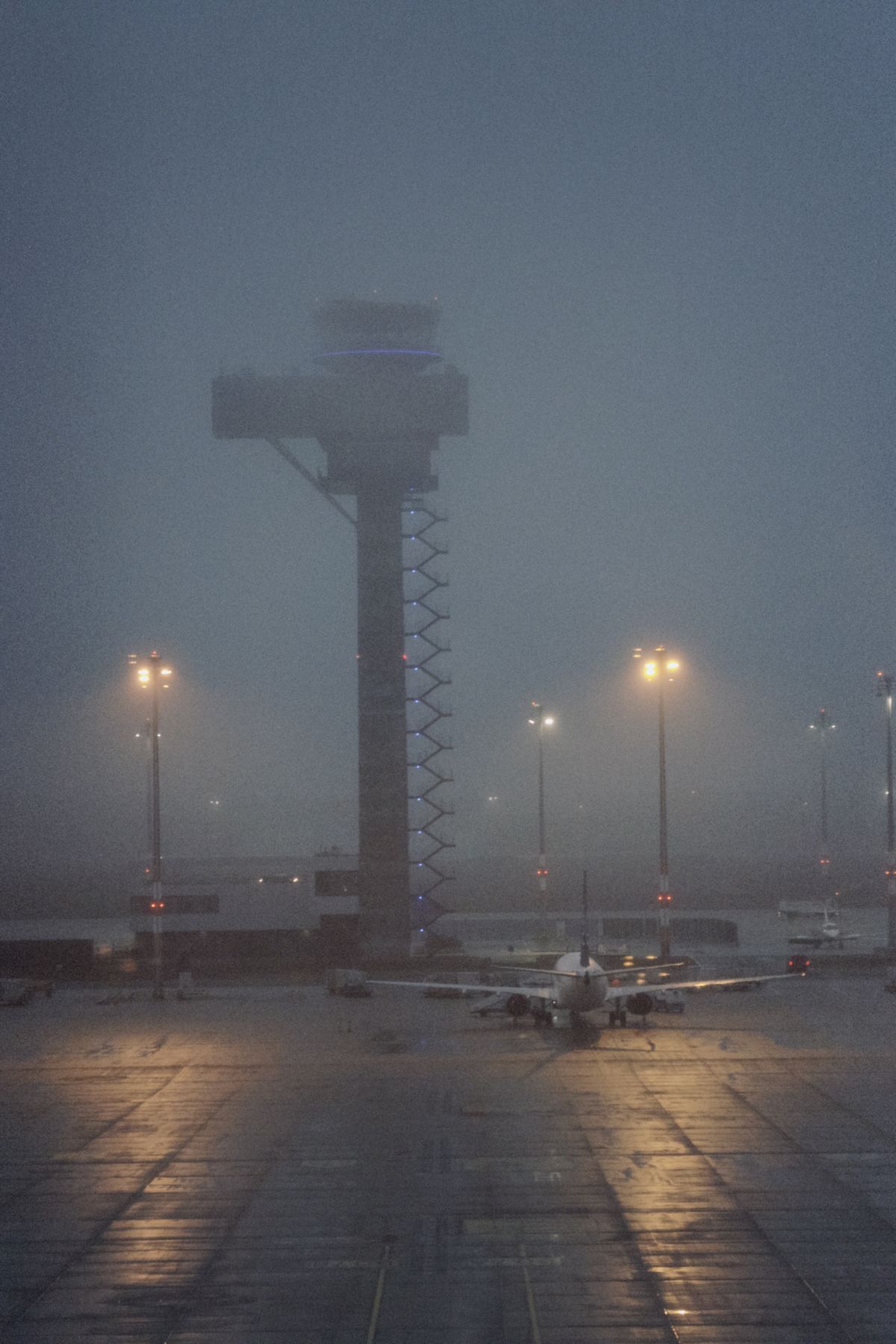
Why Bristol Airport is vulnerable to fog and snow
Bristol Airport sits at Lulsgate Bottom, on an exposed hilltop about 8 miles south-west of the city and around 620 feet above sea level. That elevation is the problem: hill fog forms and lingers here when the lower-lying land around it stays clear, and the same exposure brings snow and freezing conditions more readily in winter. When visibility drops below safe landing limits, arriving aircraft are held, delayed, or diverted. It does not happen often, but when a bank of fog settles over the hilltop, several inbound flights can be affected at once.
Where Bristol flights divert to
When aircraft cannot land at Bristol, they are sent to an alternate airport with better conditions or a longer runway. The nearest and most common are Cardiff and Birmingham. In one May 2026 incident, when the Bristol runway was temporarily out of use, four arriving flights were diverted to Cardiff and two to Birmingham before passengers were brought back. During severe weather they can go further afield: a Storm Isha flight bound for Bristol ended up at Stansted after repeated landing attempts. Which alternate your flight uses depends on the weather and where there is space, so treat Cardiff and Birmingham as the likeliest rather than guaranteed.
| Common Bristol alternate | Rough direction |
|---|---|
| Cardiff | West, across the Severn |
| Birmingham | North-east |
| Others (for example Stansted) | Varies, in severe weather |
What the airline does next
Once you are on the ground at a diversion airport, one of a few things happens. If the delay is expected to be short, the aircraft may wait and then hop back to Bristol once the fog lifts. If not, the airline may arrange coaches to take passengers by road to Bristol, or occasionally ask you to make your own way onward and claim the cost back. The key point is that a diversion does not end your contract with the airline: it is still responsible for getting you to the destination on your ticket, which for an arriving flight means Bristol.
Your rights: UK261 duty of care
Flights to or from a UK airport, and flights on UK and EU airlines, are covered by UK261 (the retained version of EU261). For a long delay or diversion, the airline owes you a duty of care while you wait:
- Meals and refreshments appropriate to the wait.
- A means of communication, such as a phone call.
- Hotel accommodation and transport to it if you are kept overnight.
- Onward transport to your ticketed destination, for example a coach from the diversion airport to Bristol.
Duty of care applies regardless of the cause, including weather, because it is about looking after you while you wait, not about fault. Keep receipts if you buy your own meals or transport, because you can claim reasonable costs back. Cash compensation, on the other hand, is generally not payable when the cause is weather, which counts as an extraordinary circumstance outside the airline's control. So expect food, a bed if needed, and a way home, but not a payout for a fog delay. Rules change, so confirm the detail with the UK Civil Aviation Authority or your airline. For the full breakdown of duty of care, when cash compensation does apply, and how to claim it, see the separate guide to flight delay and cancellation rights and UK261 compensation.
How to get home from a diversion
If your flight lands somewhere other than Bristol:
- Follow crew instructions first. If a coach back to Bristol is being arranged, that is usually the simplest route and it is on the airline.
- If you are released into the terminal, ask staff what onward transport they are providing before spending your own money.
- If you arrange your own way from Cardiff or Birmingham, keep every receipt to claim back under duty of care.
- Tell whoever is collecting you at Bristol to wait in the free Waiting Zone, since a diversion can shift your arrival by hours.
- If you reach Bristol late at night, the 24-hour A1 Airport Flyer coach from £9.50 and the Zoom Cars taxi rank both run around the clock; see the night bus guide for how the overnight options compare.
A diversion is disruptive, but it is a safety decision. Knowing the airline must feed you, house you if needed, and get you to Bristol takes the stress out of it.
Frequently asked questions
Why do Bristol Airport flights get diverted in fog? Bristol Airport sits on an exposed hilltop about 620 feet up, where hill fog forms and lingers. When visibility drops below safe landing limits, inbound flights are delayed, held, or diverted to another airport.
Where do Bristol Airport flights divert to? Most often Cardiff or Birmingham, the nearest suitable alternates. In severe weather they can go further, for example to Stansted. The exact airport depends on conditions and available space.
What are my rights if my flight is diverted? Under UK261 your airline owes you a duty of care: meals, a phone call, overnight accommodation if needed, and onward transport to your ticketed destination such as a coach to Bristol. Keep receipts for anything you pay yourself.
Do I get compensation if fog diverts my flight? Usually not. Weather is treated as an extraordinary circumstance outside the airline's control, so cash compensation is generally not payable, though duty of care still applies. Confirm current rules with the airline or the UK Civil Aviation Authority.
How do I get home if my flight lands at Cardiff or Birmingham instead of Bristol? First ask the airline what onward transport it is arranging, often a coach back to Bristol. If you travel independently, keep receipts to claim back.
More
More: Overview, Public transport, Taxis, FAQs.
We recommend a transport partner and may earn a referral fee. It never changes what you pay, and we only list options we would use ourselves.
Last verified September 2026 by the Bristol Airport Guide editorial team. Prices and timetables change, so confirm the specifics on the official Bristol Airport website before you travel.