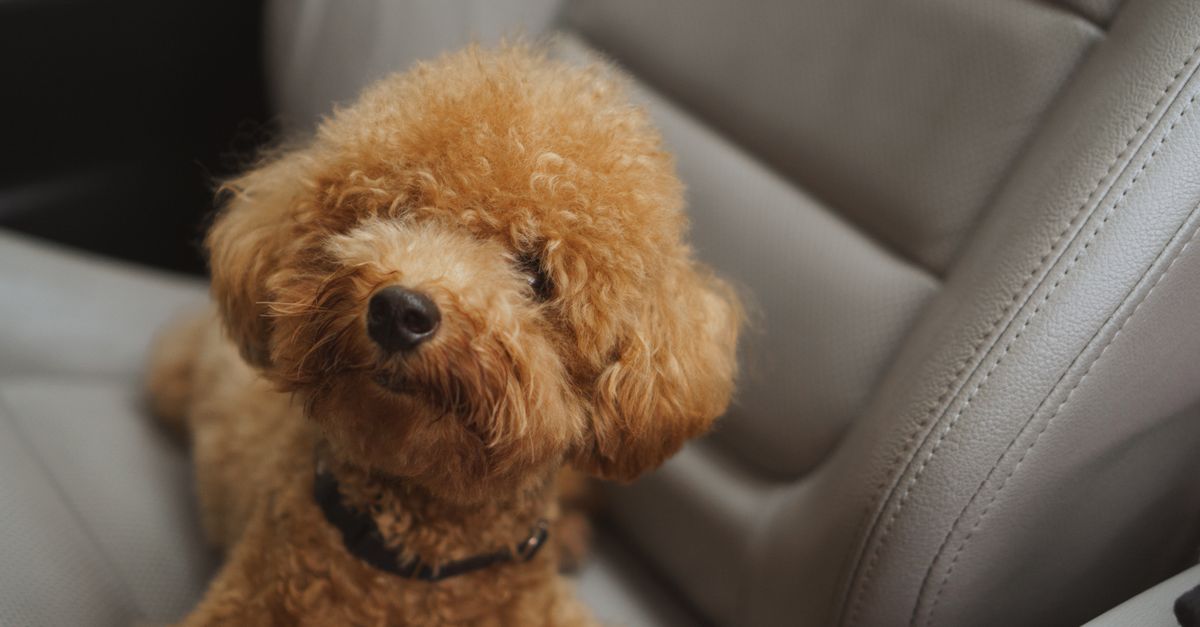
Assistance dogs must be carried free of charge in any licensed taxi or private hire vehicle at Bristol Airport, by law. Ordinary pets are a different matter: there is no legal right to bring one, so it comes down to the individual operator, and most ask you to say so when you book. Checked 2026.
Here is the difference between the two, and how to book a taxi from Bristol Airport with a pet without a last-minute refusal at the rank.
Assistance dogs: a legal right, not a favour
Under the Equality Act 2010, it is illegal for a licensed taxi or private hire driver in England to refuse a passenger because they are travelling with an assistance dog, or to charge extra for it. This covers guide dogs, hearing dogs and dogs trained to assist with mobility, epilepsy and similar conditions. The dog must be allowed to sit with its owner, and the driver cannot ask for proof of certification, since there is no official UK registration scheme for assistance dogs.
A driver can only be excused this duty if they hold a medical exemption certificate issued by their licensing council, and that certificate has to be displayed on the vehicle. Refusing an assistance dog without one is an offence that can carry a fine of up to £1,000 and put the driver's licence at risk. If it happens at Bristol Airport, it can be reported to North Somerset Council, the authority that licenses taxis and private hire vehicles operating from the airport.
Ordinary pets: down to the operator
Cats, dogs that are not assistance animals, and other pets have no equivalent legal protection. A driver is entitled to decline, and plenty do, mainly on cleanliness and allergy grounds for the next passenger. In practice, most private hire firms serving Bristol Airport take a similar line: pets are welcome if you tell the operator when you book, so they can allocate a driver and vehicle that will take them, but turning up at the rank with a dog unannounced is a gamble. One local operator's published terms, for example, state plainly that "passengers must inform the company at the time of booking if they intend to travel with animals," and that only guide dogs are permitted without prior arrangement, which is a fairly typical policy across the trade.
A few practical points that come up often:
- Carriers help. A secured pet carrier is the safest way to travel and makes a driver far more likely to say yes, particularly for a longer route like Bristol Airport to Cardiff or into the city.
- Larger dogs need a bigger car. A standard saloon may not comfortably fit a large dog plus luggage for a family; say so when you book so the operator sends an estate or people carrier.
- Book ahead, not on arrival. Ride-hailing apps do not let you flag a pet in advance in the same way a phone or website booking does, so a pre-booked private hire operator is usually the more reliable route with an animal.
- Ask about cleaning charges. Some operators reserve the right to charge for valeting if a pet is sick or sheds heavily; it is worth asking up front rather than finding out afterwards.
Flying with your pet, versus riding with it
It's worth separating two different journeys. Getting your pet to the airport by taxi is the topic here. Flying with a pet is a different process entirely, run by the airline and, for travel to or from outside the UK, governed by the Pet Travel Scheme, with paperwork that needs arranging at least 48 hours ahead through your airline. Bristol Airport publishes a separate protocol for assistance dogs travelling under the Pet Travel Scheme, which is worth checking if your assistance dog is flying with you rather than just riding to the terminal.
Booking checklist for travelling with a pet
| Step | Why it matters |
|---|---|
| Declare the pet when booking | Lets the operator assign a driver and vehicle that will accept it |
| Confirm carrier or lead requirement | Some operators insist on a secured carrier for anything other than an assistance dog |
| Check vehicle size | A larger dog with luggage may need an estate or people carrier, not a standard saloon |
| Ask about extra cleaning charges | Avoids a surprise fee if the pet is unwell or sheds |
| Keep assistance dog paperwork separate | Not legally required, but a harness or ID can smooth a rank pickup |
If you are choosing between the rank, an app and a pre-booked operator generally, our guide on how to choose a Bristol Airport taxi covers the trade-offs, and the taxis and ride-hailing page has the current rank location and fares.
FAQs
Can a Bristol Airport taxi refuse my guide dog?
No. Under the Equality Act 2010, a licensed driver cannot refuse a passenger with an assistance dog or charge extra for it, unless they hold a medical exemption certificate displayed in the vehicle.
Do I need to prove my dog is an assistance dog?
No. There is no official UK certification scheme, so a driver cannot lawfully demand proof before agreeing to carry an assistance dog.
Can I bring my pet dog or cat in a Bristol Airport taxi?
There is no automatic right to do so. Most operators will carry pets if you tell them when you book; turning up unannounced with a pet at the rank is more likely to be refused.
Will I be charged extra for travelling with a pet?
Not for an assistance dog, which must be carried free. For an ordinary pet, some operators may charge for cleaning if the vehicle needs valeting afterwards, so it is worth asking when you book.
What if a driver refuses my assistance dog at Bristol Airport?
Note the vehicle's licence plate and driver details, then report it to North Somerset Council, the licensing authority for taxis operating from the airport.
Is bringing a pet to the airport the same as flying with it?
No. A taxi journey to the terminal is a separate matter from flying with a pet, which is arranged through your airline and, for non-UK travel, the Pet Travel Scheme.